Things to Do in Merida: The Complete Activities Guide
Merida, the “White City” and capital of Yucatan, is consistently ranked among the safest cities in Mexico and makes an excellent base for exploring Maya culture, cenotes, and the Gulf coast. This guide groups activities by type so you can build an itinerary around however many days you have.
Explore the Historic Center
Merida’s core is walkable and holds most of the cultural sights:
- Plaza Grande and the Cathedral of San Ildefonso: one of the oldest cathedrals on the mainland Americas, completed in 1598.
- Paseo de Montejo: the avenue of late-19th-century mansions, best explored on foot or by rented bike at sunset.
- MACAY Museum: contemporary Yucatecan art, free admission, right next to the Cathedral.
- Lucas de Galvez Market: the everyday local market for fruit, spices and crafts at local prices.
Monday nights bring a free folk dance show (vaqueria) in front of the Municipal Palace, and on Sundays downtown closes to cars for the “Biciruta”, with music and food stalls.
Maya archaeological sites near Merida
Merida is the ideal base for several Maya sites, each an easy day trip:
- Dzibilchaltun (20 min): the closest site, with the Xlacah cenote to cool off in afterward.
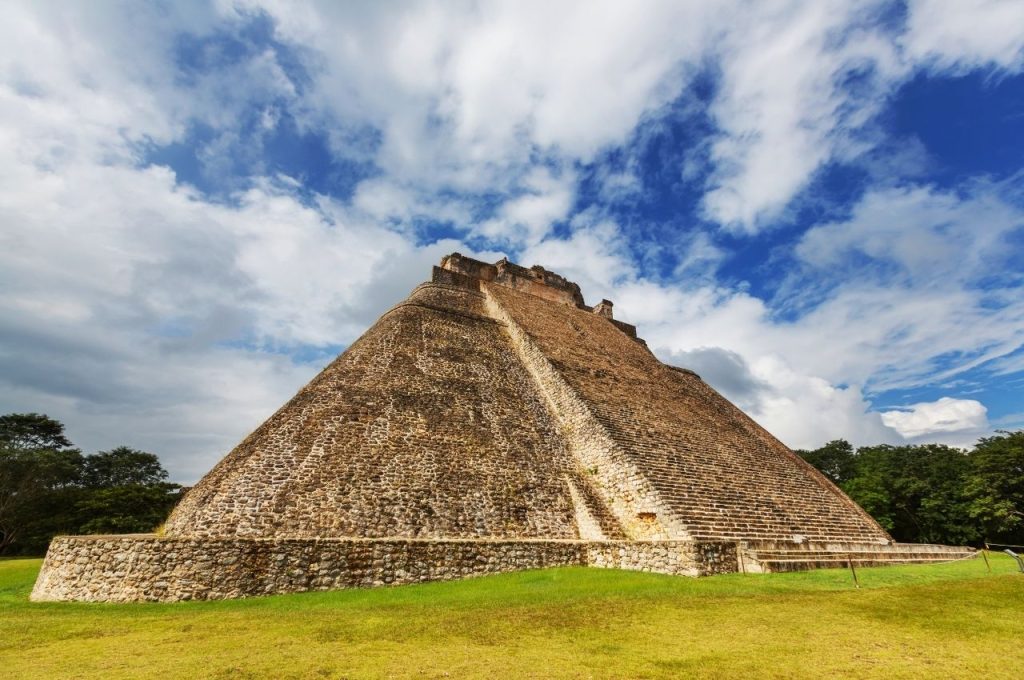
- Uxmal (45 min): the Pyramid of the Magician and the Nunnery Quadrangle, one of the best-preserved Puuc-style complexes.
- Chichen Itza (1h30): the most visited site and one of the New7Wonders of the World — go early, before the Cancun tour buses arrive.
- Mayapan (50 min): far less crowded, with pyramids you can still climb.
Cenotes a short drive away
The Cuzama and Homun area, under an hour from Merida, holds some of the Yucatan’s most striking cenotes. In Cuzama, horse-drawn carts on old henequen-railway tracks take you to three connected cenotes; Homun has more than 20 cenotes open to visitors, many far less crowded than those near the Riviera Maya.
Yucatecan food
Yucatecan cuisine is one of Mexico’s most distinctive regional cuisines: cochinita pibil, panuchos, lime soup, and marquesitas (crispy crepes filled with cheese and Nutella, sold at stalls around Santa Ana Park at night). Paseo de Montejo has the city’s best chef-driven restaurants, while the markets and loncherias downtown serve the more traditional version.
Beaches near Merida
The Gulf of Mexico coast is 30-45 minutes away, with Progreso as the most popular stop. We cover this in detail in our dedicated guide: the best beaches near Merida.
Frequently asked questions
How many days do you need in Merida?
3-4 days is enough for the historic center, one archaeological site, and a beach or cenote day. If you want to unhurriedly combine Chichen Itza, Uxmal and the coast, plan for 5-6 days.
Do I need to rent a car?
Not for downtown — it’s walkable. For cenotes, ruins and the beach, a car helps a lot, though colectivos and organized tours also run to each destination.
What’s the best time of year to visit Merida?
November through April is the dry season, with more comfortable temperatures. May and June are the hottest months; June through November is hurricane season on the Gulf.
Can I book a tour instead of planning everything myself?
Yes — our concierge catalog includes tours to archaeological sites and cenotes, plus transportation, all bookable in one place.
Own a vacation rental in Merida? See how our property management service works.
See property management